
How Much Does Whole House Rewiring Cost in Long Beach? (2026)
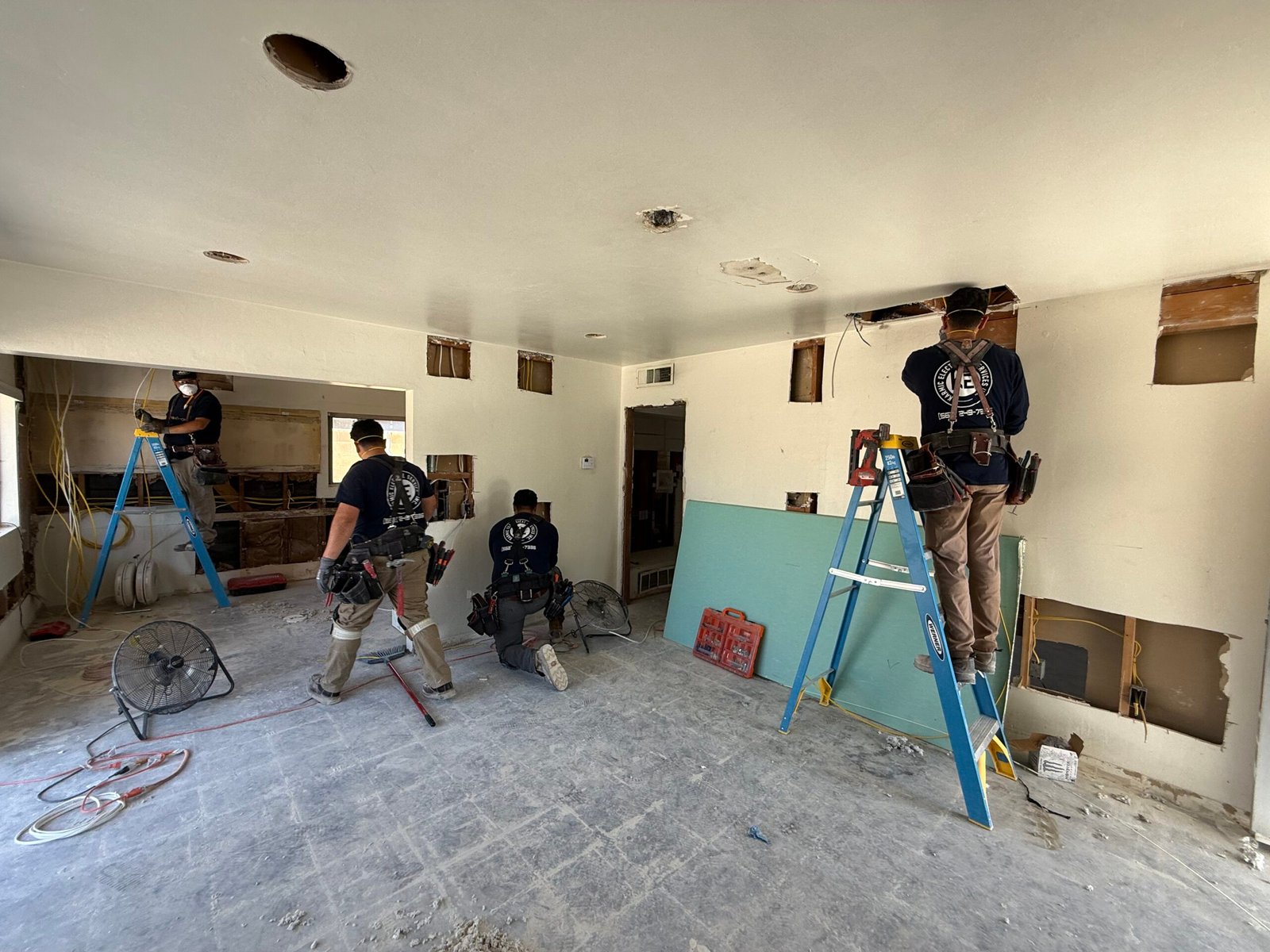
Whole-house rewiring is a significant project — and for many Long Beach homeowners, a necessary one. Homes built before the 1980s were wired for a fraction of the electrical load that modern households use every day. And homes built before the 1960s often have wiring types that are genuinely unsafe by today’s standards.
If you’ve been told your home needs rewiring — or you suspect it might — this guide gives you a clear picture of what it costs in Long Beach in 2026, what the process looks like from start to finish, and what to watch out for.
Whole House Rewiring Cost in Long Beach in 2026
Rewiring costs in Long Beach depend primarily on the size of your home and the type of existing wiring being replaced. Here’s a realistic breakdown:
| Home Size | 2026 Price Range |
|---|---|
| Small home (under 1,500 sq ft) | $12,000 – $18,000 |
| Medium home (1,500 – 2,500 sq ft) | $18,000 – $28,000 |
| Large home (2,500+ sq ft, or knob-and-tube) | $28,000 – $45,000 |
These ranges include all new wiring throughout the home, new outlets and switches, panel coordination, City of Long Beach permit and inspection fees, and a 1-year workmanship warranty. Drywall repair and paint are typically quoted separately.
If a panel upgrade is needed at the same time — which is common in homes that need full rewiring — that adds $4,800 – $7,500 to the total project cost. Doing both in one project is more efficient and less expensive than scheduling them separately.
What Does a Whole-House Rewire Actually Involve?
This is the part most homeowners are curious about before committing to a project this size. Here’s what actually happens during a whole-house rewire in a Long Beach home:
Assessment and planning — Before any work begins, a licensed electrician walks through your entire home to document the existing wiring, identify the panel situation, assess wall and ceiling materials, and plan the most efficient routing for new wire. This is also when permits are discussed and the project scope is finalized.
Permit application — Karmic Electrical submits the permit application to the City of Long Beach before work begins. Commercial and residential rewire permits require documentation and a plan review, which we manage completely.
Opening access points — New wire needs to get from the panel to every outlet, switch, and fixture in the home. In most Long Beach homes, this means cutting small access holes in drywall at strategic points along each wall run. The goal is always to use the minimum number of openings needed while routing wire cleanly.
Running new wire — Modern NM-B copper wiring (commonly called Romex) is run throughout the home — from the panel, through walls, to every outlet and switch location. Homes with attic access are significantly faster to wire because wire can be dropped down through wall cavities from above.
Installing new outlets, switches, and fixtures — All new devices are installed as part of the rewire. This is the right time to add GFCI outlets where California code requires them, upgrade to tamper-resistant outlets, and add any new outlet locations you want.
Panel work — The new wiring is connected at the panel, breakers are sized correctly for each circuit, and everything is labeled clearly.
City inspection — A City of Long Beach inspector reviews the completed work before walls are closed. This is a required step and an important safety checkpoint — the inspector verifies that the wiring meets NEC 2023 and California Electrical Code standards.
Patching — After the inspection, access holes are patched. Standard patching is typically included in Karmic Electrical’s scope. Finishing, sanding, and painting are quoted separately and are often handled by the homeowner or a separate contractor.
How Long Does a Whole-House Rewire Take in Long Beach?
Most whole-home rewiring projects in Long Beach take between 4 and 10 days depending on home size, wall material, and project complexity:
- Small home (under 1,500 sq ft): 4 – 6 days
- Medium home (1,500 – 2,500 sq ft): 6 – 8 days
- Large home or knob-and-tube replacement (2,500+ sq ft): 8 – 12 days
These timelines include the permit inspection but not drywall finishing and painting, which happen after the electrical inspection clears.
Plaster Walls vs. Drywall — Why It Matters for Rewiring
This is one of the most important factors in a Long Beach rewire that homeowners often don’t think about until the project starts.
Many Long Beach homes built before the 1950s still have their original plaster and lath walls — a layer of plaster applied over thin wood strips. Plaster walls are significantly harder to cut into cleanly and repair than modern drywall. They require more careful work to avoid cracking the surrounding plaster, and patching plaster is a more specialized skill than patching drywall.
Homes with plaster walls typically fall at the higher end of the pricing range for their size category, and the project takes longer. If your home has plaster walls, make sure your electrician has specific experience working in older Long Beach homes — it’s not the same as working in a newer drywall construction.
Knob-and-Tube Wiring — What Long Beach Homeowners Need to Know
Knob-and-tube wiring is common in Long Beach homes built before the 1950s, particularly in older neighborhoods like Bluff Park, Carroll Park, and Alamitos Beach. Here’s what makes it different from a standard rewire:
Knob-and-tube consists of individual wires — a hot wire and a neutral wire — run separately through ceramic knobs and tubes, with no ground wire. Unlike modern wiring where both conductors are bundled in one sheathed cable, knob-and-tube wires run independently through the wall structure.
This means two things for rewiring: first, there’s more old wiring to physically remove from the wall cavities before new wire can be run. Second, the routing of old knob-and-tube wiring can be unpredictable, requiring more exploratory work to trace and remove it cleanly.
Knob-and-tube rewires consistently land at the higher end of the pricing range, and for good reason — they require more labor, more care, and more time than standard rewires.
Does Rewiring a House in Long Beach Require a Permit?
Yes, always. The City of Long Beach requires permits for all rewiring work, and a licensed inspector must review the work before walls are closed. There are no shortcuts here — and you don’t want any.
The permit and inspection process is what protects you as a homeowner. It creates a documented record that the work was done by a licensed contractor, that it met code at the time of completion, and that it passed independent inspection. That documentation matters when you sell the home, file an insurance claim, or have the work reviewed years later.
Karmic Electrical handles the entire permit process — application, plan review, and inspection scheduling. You don’t deal with the city directly at any point.
Will You Need to Move Out During a Rewire?
For smaller homes, many homeowners stay in place during the rewire, with power temporarily off to one section at a time. For larger homes or full knob-and-tube replacements, staying elsewhere during the main work days is more practical since power disruptions are more widespread and the work is more intensive.
Your electrician will give you a clear schedule before work begins so you can plan accordingly. Karmic Electrical makes every effort to sequence the work in a way that minimizes disruption to your daily routine.
Ready to Get a Free Estimate for Your Long Beach Home Rewire?
At Karmic Electrical, whole-home rewiring projects start with a free written estimate that covers the full scope of work, timeline, permit process, and three clear pricing options — Basic, Recommended, and Premium. No pressure, no surprises, and no invoice you didn’t agree to upfront.
Our service call is $249 and includes the first hour of assessment work. For rewiring projects, the written estimate is free.
Ready to schedule? Book directly online or call us at (562) 708-7673. Karmic Electrical serves Long Beach, Lakewood, Signal Hill, Seal Beach, Torrance, Huntington Beach, Carson, and Cerritos.


