
How Much Does Smoke & Carbon Monoxide Detector Installation Cost in Long Beach? (2026)
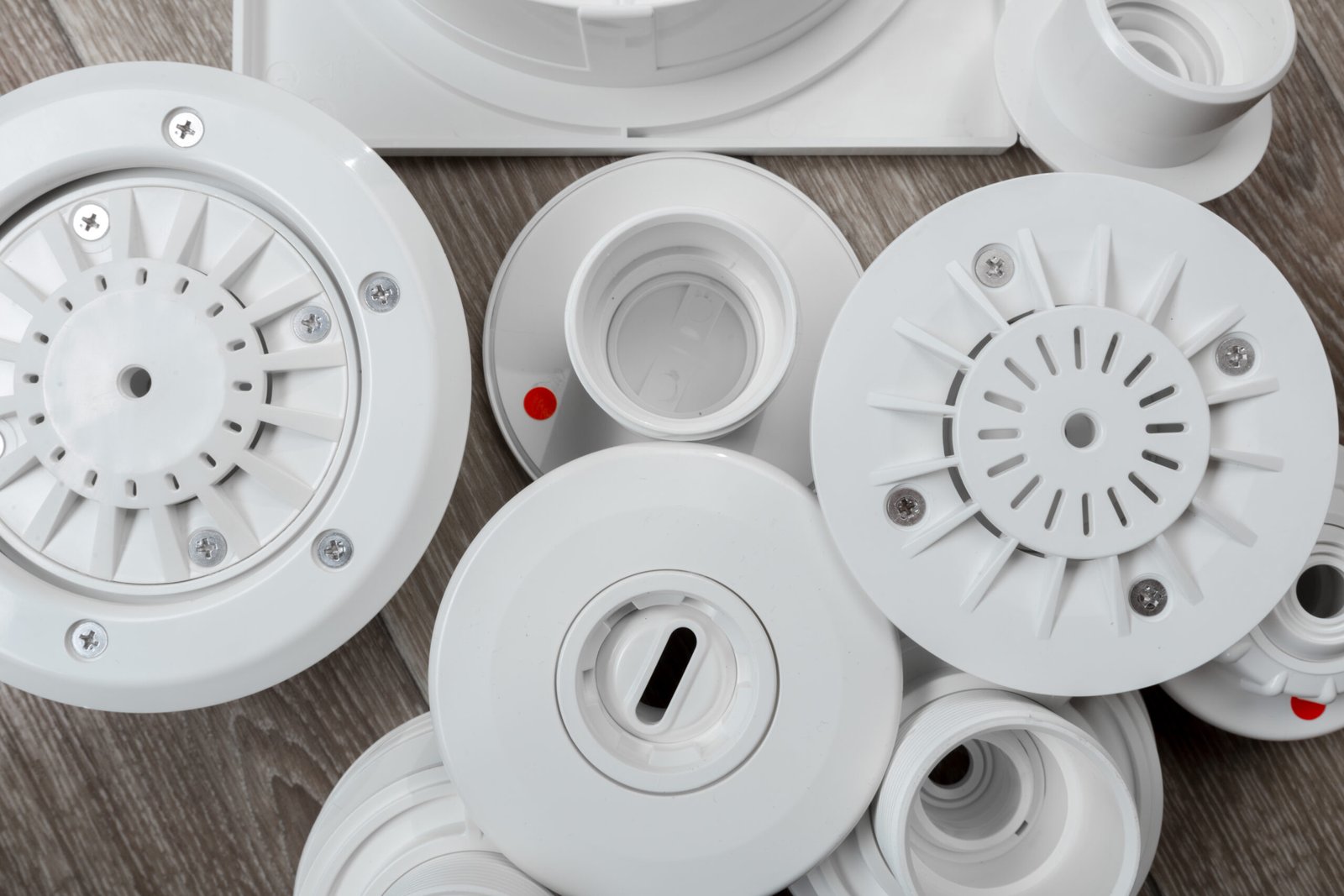
Smoke and carbon monoxide detectors are the least expensive life-safety upgrade you can make to your home — and one of the most important. California has some of the strictest detector requirements in the country, and many Long Beach homes, especially older ones, don’t fully meet current code. Whether you’re buying a home, preparing to sell, or simply want to make sure your family is protected, this guide covers honest 2026 pricing and exactly what California law requires.
What Does California Law Require for Smoke Detectors?
California Health and Safety Code sets specific requirements for smoke detector placement in residential homes. Here’s what’s required in Long Beach homes:
Location requirements:
- Inside every bedroom
- Outside every sleeping area — in the hallway directly outside bedroom doors
- On every level of the home including the basement
- At the top of every stairway leading to an upper floor
Type requirements:
- All smoke alarms in new construction must be hardwired with battery backup
- Battery-only detectors are permitted in existing homes as replacements, but hardwired is always preferred
- As of 2014, all smoke alarms sold in California must have a sealed, 10-year battery — loose battery alarms are no longer code-compliant for new installations
Interconnection:
- In new construction and major renovations, all smoke alarms must be interconnected — when one sounds, they all sound throughout the home
For home sales in Long Beach, California law requires the seller to provide a written statement confirming smoke detectors are in place and functional before the close of escrow.
What Does California Law Require for Carbon Monoxide Detectors?
California’s Carbon Monoxide Poisoning Prevention Act requires CO detectors in all single-family homes and most multi-unit residential buildings. Here’s what applies to Long Beach homes:
Required if your home has:
- An attached garage
- A gas appliance of any kind (furnace, water heater, stove, dryer)
- A fireplace (gas or wood-burning)
- Any fuel-burning appliance
Placement requirements:
- Outside every sleeping area — in the hallway directly outside bedroom doors
- On every level of the home
Type requirements:
- Battery, plug-in, or hardwired CO detectors are all permitted
- Combination smoke/CO detectors fulfill both requirements and are what most Long Beach homeowners choose for simplicity
Given Long Beach’s housing stock — many homes with gas appliances, attached garages, and older HVAC systems — virtually every single-family home in the city requires CO detectors.
How Much Does Smoke & CO Detector Installation Cost in Long Beach in 2026?
Here’s realistic pricing for detector installation in Long Beach based on current 2026 rates:
| Scope | Typical Cost Range |
|---|---|
| Single battery detector installation | $80 – $150 |
| Single hardwired detector installation | $150 – $280 |
| Small home — 3 to 5 detectors (battery) | $200 – $450 |
| Small home — 3 to 5 detectors (hardwired) | $450 – $900 |
| Medium home — 5 to 8 detectors (battery) | $350 – $650 |
| Medium home — 5 to 8 detectors (hardwired) | $700 – $1,400 |
| Large home — 8 to 12 detectors (hardwired) | $1,000 – $2,000 |
| Interconnected hardwired system (whole home) | $1,200 – $2,500 |
These ranges cover labor, standard detectors, and any basic wiring needed. Premium combination smoke/CO detectors or smart detectors that connect to your phone add to the device cost but not significantly to labor.
At Karmic Electrical, detector installations are priced as flat-rate estimates — you know the full cost before we start.
Battery vs. Hardwired Detectors — Which Should You Choose?
This is the most common question homeowners ask, and the honest answer depends on your situation.
Battery-only detectors are simpler and less expensive to install. There’s no wiring involved — a licensed electrician mounts them and installs fresh batteries. The downside is that battery maintenance becomes your responsibility. Dead batteries are the most common reason smoke detectors fail to sound during a fire. California’s sealed 10-year battery requirement helps with this — you don’t need to change batteries every year — but battery-only detectors still need to be replaced every 7 to 10 years.
Hardwired detectors with battery backup are wired directly into your home’s electrical system and have a battery backup in case of a power outage. They’re more reliable long-term because they don’t depend on battery condition for primary power. They’re also required for new construction in California and are strongly recommended for whole-home replacements.
Interconnected hardwired systems take hardwired detectors a step further — all detectors are wired together so when one alarm triggers, every detector in the home sounds simultaneously. This is required in new construction and major renovations, and it’s the gold standard for safety. In a large Long Beach home, hearing an alarm from a detector three rooms away can mean the difference between escaping safely and not.
For most Long Beach homeowners replacing old detectors throughout the home, a hardwired interconnected system is the right investment. For a rental property or a single replacement, battery detectors are a practical and code-compliant solution.
Smart Smoke and CO Detectors — Are They Worth It?
Smart detectors — like the Nest Protect — send alerts to your phone when an alarm triggers or when batteries are low. They can also be silenced from your phone when you accidentally set off the alarm while cooking, which anyone who has waved a dish towel at a detector over the stove will appreciate.
For Long Beach homeowners who travel frequently, have rental properties, or want remote monitoring capability, smart detectors are genuinely useful. The Nest Protect and similar devices cost more than standard detectors — typically $100–$130 per unit — but the installation labor is the same.
Smart detectors also integrate with other smart home systems, allowing them to trigger lights to turn on when an alarm sounds at night, which helps with safe evacuation.
When Do You Need a Permit for Detector Installation?
Battery-only replacements — replacing existing battery detectors with new battery detectors in the same locations — generally do not require a permit in Long Beach.
New hardwired installations or interconnected systems — installing hardwired detectors in a home that previously had battery-only detectors, or installing a new interconnected system, requires a permit from the City of Long Beach. Karmic Electrical handles the permit application and inspection scheduling for any project that requires one.
What Happens During a Home Sale in Long Beach?
California law requires sellers to provide a written statement confirming that smoke detectors are in place before escrow closes. A buyer’s home inspector will test every detector in the home during the inspection. Missing detectors, non-functioning detectors, or detectors in the wrong locations will show up on the inspection report — and buyers often request corrections before closing.
Carbon monoxide detectors are also inspected during home sales. Missing CO protection in a home with gas appliances or an attached garage is a common deficiency finding.
Getting a full detector compliance check done before listing your Long Beach home eliminates these surprises during escrow — and it’s one of the least expensive electrical corrections you can make.
How Long Does Detector Installation Take?
For most Long Beach homes, a complete smoke and CO detector installation takes 2 to 4 hours for battery detectors and 4 to 6 hours for a full hardwired interconnected system, depending on the number of detectors and the home’s existing wiring. Most projects are completed in a single visit.
Ready to Protect Your Long Beach Home?
At Karmic Electrical, smoke and CO detector installations start with a quick assessment of your home’s current detector situation — how many you have, where they’re located, whether they’re code-compliant, and what type makes the most sense for your home. We provide a flat-rate estimate before starting any work.
Our service call is $249 and covers the first hour of assessment and installation work. For most standard detector projects, that covers the majority of the work.
Ready to schedule? Book directly online or call us at (562) 708-7673. Karmic Electrical serves Long Beach, Lakewood, Signal Hill, Seal Beach, Torrance, Huntington Beach, Carson, and Cerritos.


